Instructores

Fernando Alarid-Escudero, PhD
Stanford University School of Medicine
Fernando Alarid-Escudero, Ph.D., is an Assistant Professor of Health Policy at Stanford University School of Medicine. He obtained his Ph.D. in Health Decision Sciences from the University of Minnesota School of Public Health. His research focuses on developing statistical and decision-analytic models to identify optimal prevention, control, and treatment policies and conducting cost-effectiveness analyses to address a wide range of public health problems. He has also developed novel methods to quantify the value of future research. Dr. Alarid-Escudero is a member of three cancers (colorectal [CRC], bladder, and gastric) of the Cancer Intervention and Surveillance Modeling Network (CISNET) consortium. Dr. Alarid-Escudero co-founded the Decision Analysis in R for Technologies in Health (DARTH) workgroup and the Collaborative Network on Value of Information, international and multi-institutional collaborative efforts that develop transparent and open-source solutions to implement decision analysis and quantify the value of potential future investigation for health policy analysis. He received a BSc in Biomedical Engineering from the Metropolitan Autonomous University in Iztapalapa (UAM-I), and a Master’s in Economics from CIDE, both in Mexico.

Jeremy Goldhaber-Fiebert, PhD
Stanford University School of Medicine
Jeremy Goldhaber-Fiebert, PhD, is a Professor of Health Policy and a Core Faculty Member in the Centers for Health Policy and Primary Care and Outcomes Research. His research focuses on complex policy decisions surrounding the prevention and management of increasingly common, chronic diseases and the life course impact of exposure to their risk factors. In the context of both developing and developed countries including the US, India, China, and South Africa, he has examined chronic conditions including type 2 diabetes and cardiovascular diseases, human papillomavirus and cervical cancer, tuberculosis, and hepatitis C and on risk factors including smoking, physical activity, obesity, malnutrition, and other diseases themselves. He combines simulation modeling methods and cost-effectiveness analyses with econometric approaches and behavioral economic studies to address these issues.
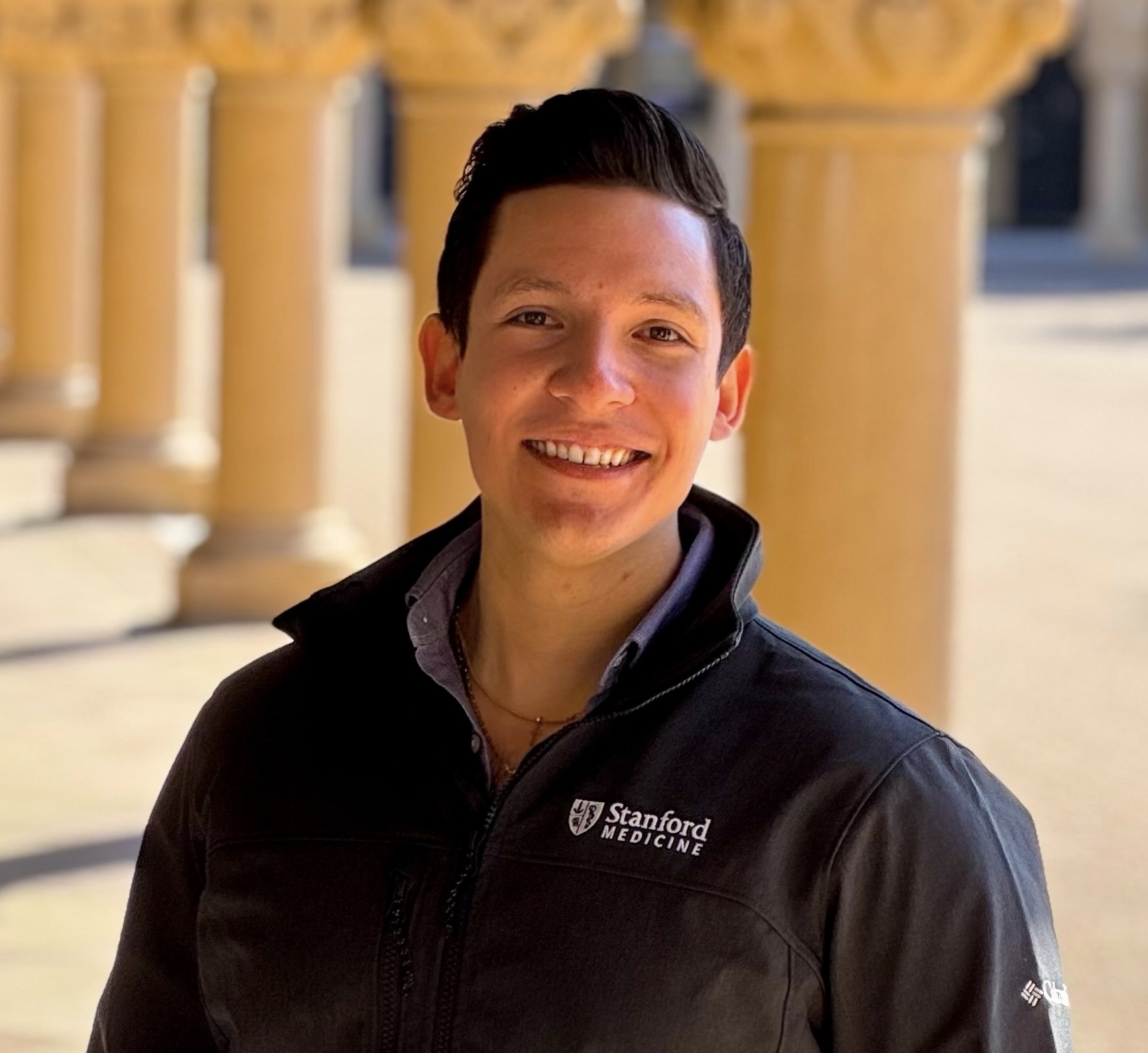
Jorge Roa, MSc
Laboratorista
Stanford University School of Medicine
Jorge Roa is a data scientist and a software developer in the Department of Health Policy at Stanford University. Prior to coming to Stanford, Jorge did a research fellowship in the Department of Statistics at the University of Munich. He holds a M.Sc. in Data Science for Public Policy from the Hertie School in Berlin, Germany. Jorge earned a B.A. in Public Policy from the Center for Research and Teaching in Economics (CIDE) in Aguascalientes, Mexico. His work has been focused on gastric and colorectal cancer research, helping apply Bayesian methods and decision-analytic models and creating and optimizing algorithms. He also has experience developing and implementing open-source R packages. Jorge is part of the colorectal cancer group in the Cancer Intervention and Surveillance Modeling Network (CISNET). His research focuses on employing data science tools and decision-analytics models to make informed decisions based on data and evidence to improve people’s lives.
 @JorgeRoaC